
Basement Sewage Backup Cleanup (Category 3 Water)
Category 3 (black) water cleanup with containment, PPE, safe material removal and decontamination.
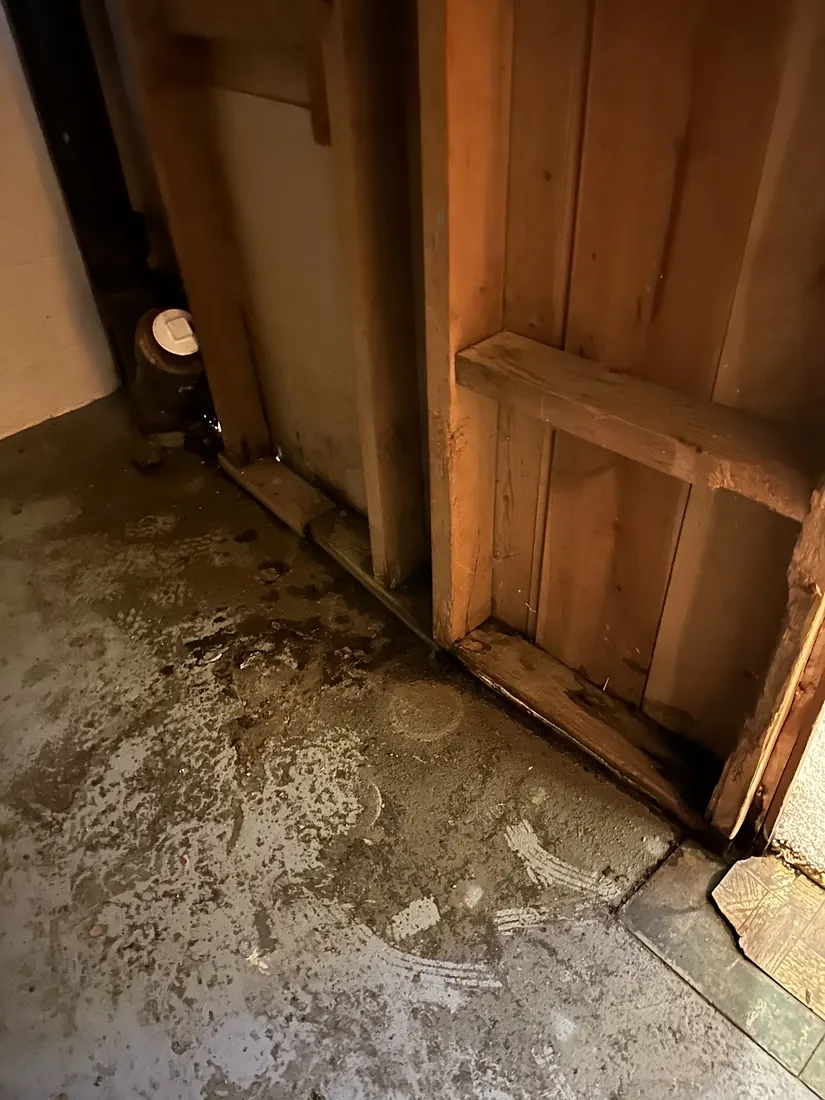
Basement sewage backup cleanup deals with Category 3 (black) water, the most contaminated kind of basement flood. It carries bacteria and other hazards, so the priority is containment, safe removal of contaminated materials, and decontamination, not simply pumping and spraying. This is a job where professional handling is strongly advised.
Basement Sewage Backup Cleanup at a glance
- Contain the area
- Extract contaminated water
- Remove porous materials that contacted it
- Decontaminate salvageable surfaces
- Dry and verify
Why sewage water is treated differently
Under the IICRC S500 standard, sewage and flood water are Category 3: grossly contaminated water that can contain bacteria, viruses and other harmful material. That changes everything about the cleanup. The CDC and public-health agencies advise keeping people and pets away from sewage-contaminated water and using protective equipment.
Because the contamination soaks into porous materials, the rule of thumb is removal, not rescue. Drywall, insulation, carpet and pad that contacted black water are generally taken out rather than cleaned.
The sewage cleanup sequence
A contaminated basement is handled in a deliberate order to avoid spreading the contamination through the rest of the home.
- Contain the area and protect the rest of the home.
- Extract the contaminated water with appropriate equipment and PPE.
- Remove porous materials that contacted the water (links to material removal and debris removal).
- Clean and decontaminate salvageable, non-porous surfaces (see cleanup and sanitization).
- Dry the structure and verify with moisture readings.
Health, fuel oil and when to step back
Some situations call for stepping back entirely. If fuel oil is floating on the water, a risk when a flooded basement has an oil tank, health departments warn against removing the water yourself because of the combined contamination and fire hazard.
Insurance also behaves differently for sewer and drain backups than for other water losses, which is covered in the insurance coverage guide. Documenting the damage with photos before cleanup helps with any claim.
Category 3 water: what is kept and what comes out
Sewage is Category 3 (black) water, so the rule leans heavily toward removing porous materials that contacted it.
| Material | Decision under Category 3 water |
|---|---|
| Sealed concrete or tile | Clean and fully decontaminate |
| Drywall that contacted the water | Remove |
| Carpet and padding | Remove |
| Fiberglass insulation | Remove |
| Hard, non-porous items | Clean and disinfect |
| Porous belongings that contacted it | Usually discarded |
Dealing with this now? Reach a flood cleanup specialist on the 24/7 line at (877) 927-8127, anywhere in the United States.
Safety and technical points on this page follow guidance from the EPA, CDC and the IICRC S500 water damage restoration standard. See editorial and sources.
Related cleanup services
Basement Sewage Backup Cleanup: frequently asked questions
Can a sewage-flooded basement be cleaned, or does everything get thrown out?
Non-porous surfaces that can be fully cleaned and disinfected may be saved. Porous materials that absorbed the contaminated water, drywall, insulation, carpet and pad, are generally removed, because disinfecting the surface does not decontaminate the inside of the material.
Is sewage backup dangerous to clean myself?
It can be. Category 3 water can carry bacteria and other pathogens, so protective equipment, containment and correct disposal matter. Large or uncertain sewage backups are safer handled professionally, and any flood with fuel oil floating on it should not be removed by the homeowner.
Does insurance cover a sewage backup in the basement?
It depends on the policy. Sewer or drain backup is often covered only when a specific water-backup endorsement has been added, which is different from standard coverage and from flood insurance. The insurance guide explains the distinctions.
What's the difference between sewage cleanup and regular flood cleanup?
The water category. Sewage is Category 3 (black) water, so it requires more containment, more material removal and full decontamination, whereas a clean-water flood may allow more materials to be dried and saved.
Is a sewage backup in the basement a health hazard?
Yes. Sewage is Category 3 water and can carry bacteria, viruses and other harmful material, which is why public-health agencies advise keeping people and pets away from it and using protective equipment. Large or uncertain sewage backups are safer handled professionally.
Do I have to leave my house during sewage cleanup?
Not always, but the affected area is contained and kept off-limits during the work, and in some cases staying elsewhere is advised depending on the extent and the home's layout. A crew assesses that as part of containment.
Need basement sewage backup cleanup help? Reach a specialist on the 24/7 line.
24/7 emergency line · water extraction, drying, sanitization and reconstruction help nationwide