
Basement Storm & Flash Flood Cleanup
Cleanup for outside-source water, heavy rain, surface runoff, groundwater and storm surge, with foundation-pressure caution.
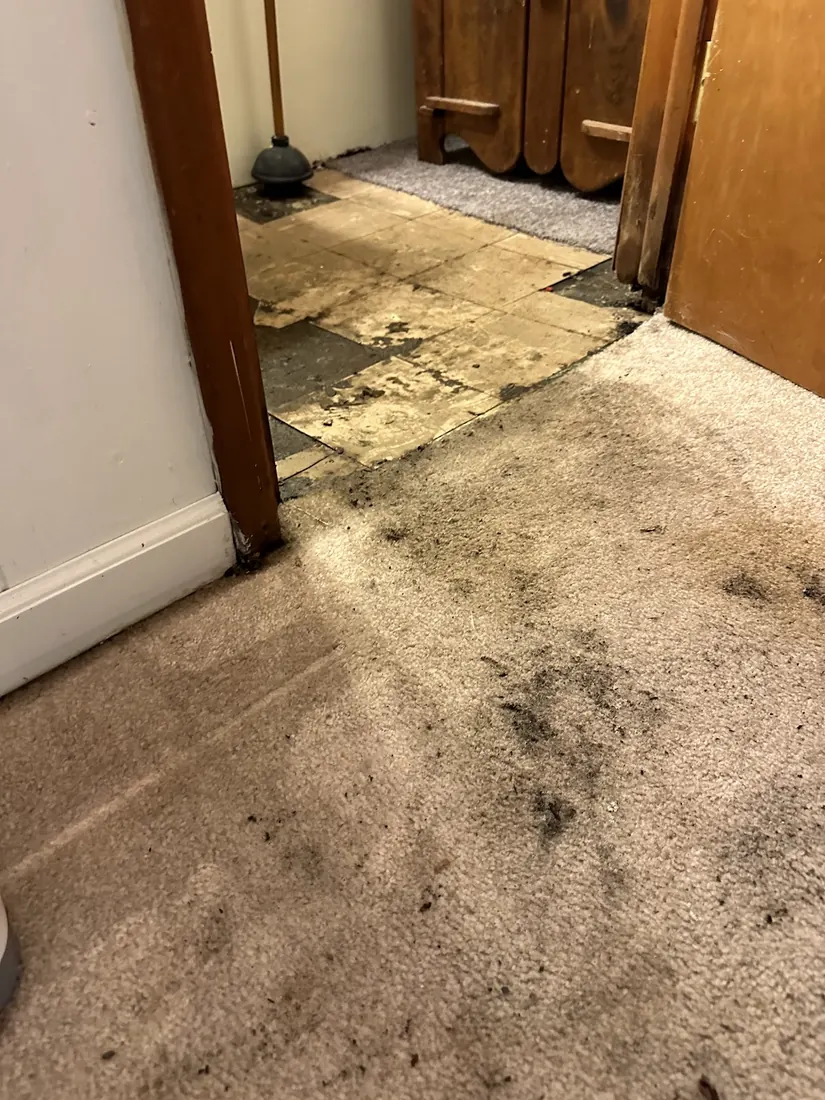
Basement storm flood cleanup handles water that enters from outside, heavy rain, surface runoff, rising groundwater and storm surge, rather than from a plumbing failure. Outside water is usually treated as contaminated, the source may keep flowing during a storm, and deep flooding brings foundation-pressure risks, so the response differs from a clean indoor leak.
Basement Storm Flood Cleanup at a glance
- Safety check
- Limit further intrusion
- Gradual pump-down
- Debris and silt removal
- Structural drying
Storm water is an outside-source flood
When rain overwhelms drainage, the water table rises, or a storm pushes water in through window wells, walls and floor seams, the basement fills from the outside. That water has traveled over ground and through soil, so it is generally treated as contaminated (Category 2 or 3) even when it looks clear.
During an active storm the source is not controlled the way a shut-off valve controls a pipe leak. Water can keep entering, so early work focuses on safety and limiting further intrusion as much as on removal.
Foundation pressure: why not to pump too fast
A deeply flooded basement during or just after a storm is the classic case where pumping too quickly is dangerous. The saturated soil outside presses inward on the foundation walls, and the water inside is partly balancing that force. Remove it all at once and the walls can crack or collapse.
The safer approach is to pump down gradually and let the outside water table fall with it. When water is more than a couple of feet deep, a professional assessment is the right call before aggressive pumping.
After the water: debris, drying and recurrence
Storm floods leave mud, silt and debris that have to be removed before cleaning and drying, see flood debris removal. Extraction then hands off to water removal and structural drying.
Storm flooding also tends to recur, so part of recovery is understanding the entry path. The emergency steps in the what to do when your basement floods guide cover the first hours, and insurance for outside-origin flooding is distinct, as the insurance guide explains.
Storm scenarios and what the response focuses on
Outside-source water behaves differently from an indoor leak, and the plan changes with the scenario.
| Scenario | What the response focuses on |
|---|---|
| Flash flood with deep water | Gradual pump-down and foundation caution |
| Groundwater through walls or floor seams | Treated as contaminated; locate the entry path |
| Window-well intrusion | Extract, dry, and check the wall cavity |
| More rain in the forecast | Mitigate and limit further water entry |
Dealing with this now? Reach a flood cleanup specialist on the 24/7 line at (877) 927-8127, anywhere in the United States.
Safety and technical points on this page follow guidance from the EPA, CDC and the IICRC S500 water damage restoration standard. See editorial and sources.
Related cleanup services
Basement Storm Flood Cleanup: frequently asked questions
Is rainwater that floods a basement contaminated?
It is generally treated as contaminated. Storm and surface water travels over ground and through soil, picking up bacteria, chemicals and debris, so it is usually handled as Category 2 or 3 water rather than clean water, even when it looks clear.
Why shouldn't I pump out storm flooding quickly?
Because the soil outside is saturated and pressing on the foundation. The water inside helps counter that pressure; removing it too fast can crack or collapse the walls. Deep storm flooding should be pumped down gradually, ideally after assessment.
My basement floods every time it rains, is cleanup enough?
Cleanup addresses the damage from this event, but recurring storm flooding points to an entry path or drainage issue. Cleanup and understanding the cause are separate things; the cleanup is covered here, while prevention is a different scope.
Does home insurance cover storm flooding in the basement?
Often not under a standard homeowners policy. Water that enters from outside (surface water, rising groundwater, storm surge) usually falls under separate flood insurance, which is different from a water-backup endorsement. See the insurance guide for the distinctions.
Why does my basement flood only when it rains hard?
Heavy rain can overwhelm drainage, raise the water table and push water in through window wells, walls and floor seams. The cleanup addresses this event, but repeated rain flooding points to an entry path or drainage issue worth diagnosing separately.
How fast can storm water be pumped out of a basement?
Deep storm flooding is pumped down gradually rather than all at once, because the saturated soil outside presses on the foundation and the water inside is partly balancing it. Removing it too fast can crack or collapse the walls, so assessment comes first for deep water.
Need basement storm flood cleanup help? Reach a specialist on the 24/7 line.
24/7 emergency line · water extraction, drying, sanitization and reconstruction help nationwide