
Basement Flood Odor Removal & Deodorization
Finding and removing the source of musty or sewage odor, diagnosis first, then molecular-level deodorizing.
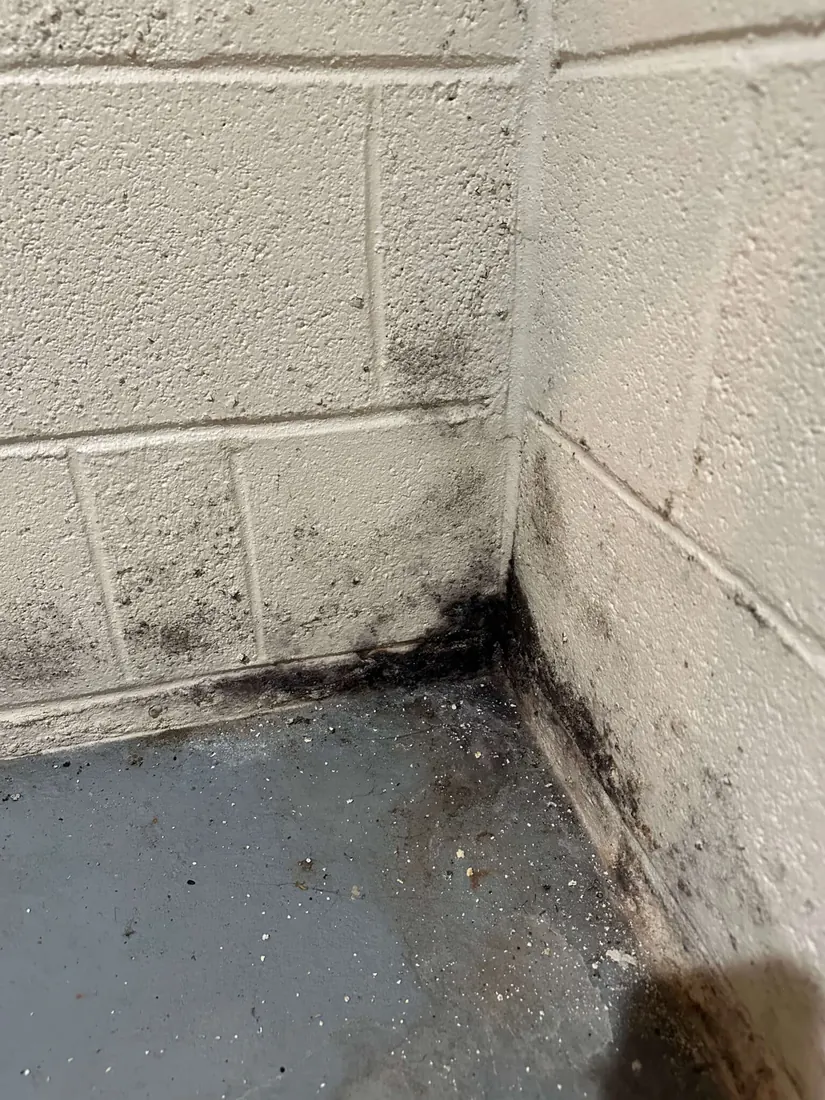
Flood odor removal finds and eliminates the source of a musty, sour or sewage smell left after a basement flood, it is not an air freshener. A lingering odor almost always means moisture is still trapped or a contaminated material is still in place, so the work starts with diagnosis, not deodorizer.
Flood Odor Removal at a glance
- Diagnose the odor source
- Remove or dry the source
- Set deodorizing treatment
- Run the treatment cycle
- Verify the odor is gone
Odor is a symptom, not the problem
A persistent smell after a flood is a signal. Musty odor usually means microbial growth feeding on moisture that was never fully dried. A sewage or sour smell points to contamination still present. Masking it does nothing, because the source keeps producing odor.
That is why odor removal begins with moisture detection to find trapped moisture and an inspection to find any contaminated material left behind. Only once the source is removed or dried does deodorizing make sense.
Finding the source before treating the air
Odor complaints that return again and again are almost always a source that was missed: moisture under a floor, inside a wall cavity, in HVAC ductwork, or a drain issue that has nothing to do with the original flood. Diagnosing correctly avoids treating the wrong thing for months.
Common sources trace to other services: trapped moisture to structural drying, contaminated ducts to HVAC and duct cleanup, and contaminated materials to cleanup and sanitization.
Deodorizing methods, used after the source is handled
Once the source is gone, residual odor can be neutralized. Methods include thermal fogging, hydroxyl generators and, in unoccupied spaces under controlled conditions, ozone. These treat odor at the molecular level rather than covering it, but they work only when the material or moisture producing the smell has already been addressed.
Odor source and the real fix
A lingering smell is a symptom. Masking it does nothing while the source keeps producing odor, so the fix starts with finding the source.
| Likely source | The real fix |
|---|---|
| Trapped moisture feeding microbial growth | Find and dry it: detection plus drying |
| Contaminated material left in place | Remove it |
| HVAC or duct contamination | Duct cleanup |
| Drain or P-trap issue | Address the plumbing, not the air |
| Residual odor after the source is handled | Thermal fogging or hydroxyl treatment |
Dealing with this now? Reach a flood cleanup specialist on the 24/7 line at (877) 927-8127, anywhere in the United States.
Safety and technical points on this page follow guidance from the EPA, CDC and the IICRC S500 water damage restoration standard. See editorial and sources.
Related cleanup services
Flood Odor Removal: frequently asked questions
Why does my basement still smell after it was cleaned and dried?
A returning smell usually means the source was missed, moisture still trapped under a floor or in a wall, a contaminated material left in place, or a duct or drain issue. Odor removal starts by finding that source rather than adding more deodorizer.
Can you just spray something to remove flood odor?
Masking agents don't work while the source is still producing odor. Deodorizing methods like thermal fogging or hydroxyl treatment are effective, but only after the trapped moisture or contaminated material causing the smell has been removed or dried.
Is a musty basement smell dangerous?
The smell itself is a sign of microbial growth feeding on moisture, which is worth addressing both for air quality and because it indicates the basement isn't fully dry. The priority is finding and removing the moisture source, not just clearing the odor.
Why does my basement still smell musty after drying?
A musty smell that persists usually means the source was missed: moisture still trapped under a floor or in a wall, a contaminated material left in place, or a duct or drain issue. Odor removal starts by finding that source rather than adding more deodorizer.
Does ozone remove flood smell from a basement?
Ozone can neutralize odor at the molecular level in an unoccupied space under controlled conditions, but only after the moisture or contaminated material causing the smell has been removed or dried. Used on an unaddressed source, the odor returns.
Need flood odor removal help? Reach a specialist on the 24/7 line.
24/7 emergency line · water extraction, drying, sanitization and reconstruction help nationwide