
Basement HVAC & Duct Flood Cleanup
Inspecting and decontaminating flood-affected HVAC equipment and ductwork before the system is operated.
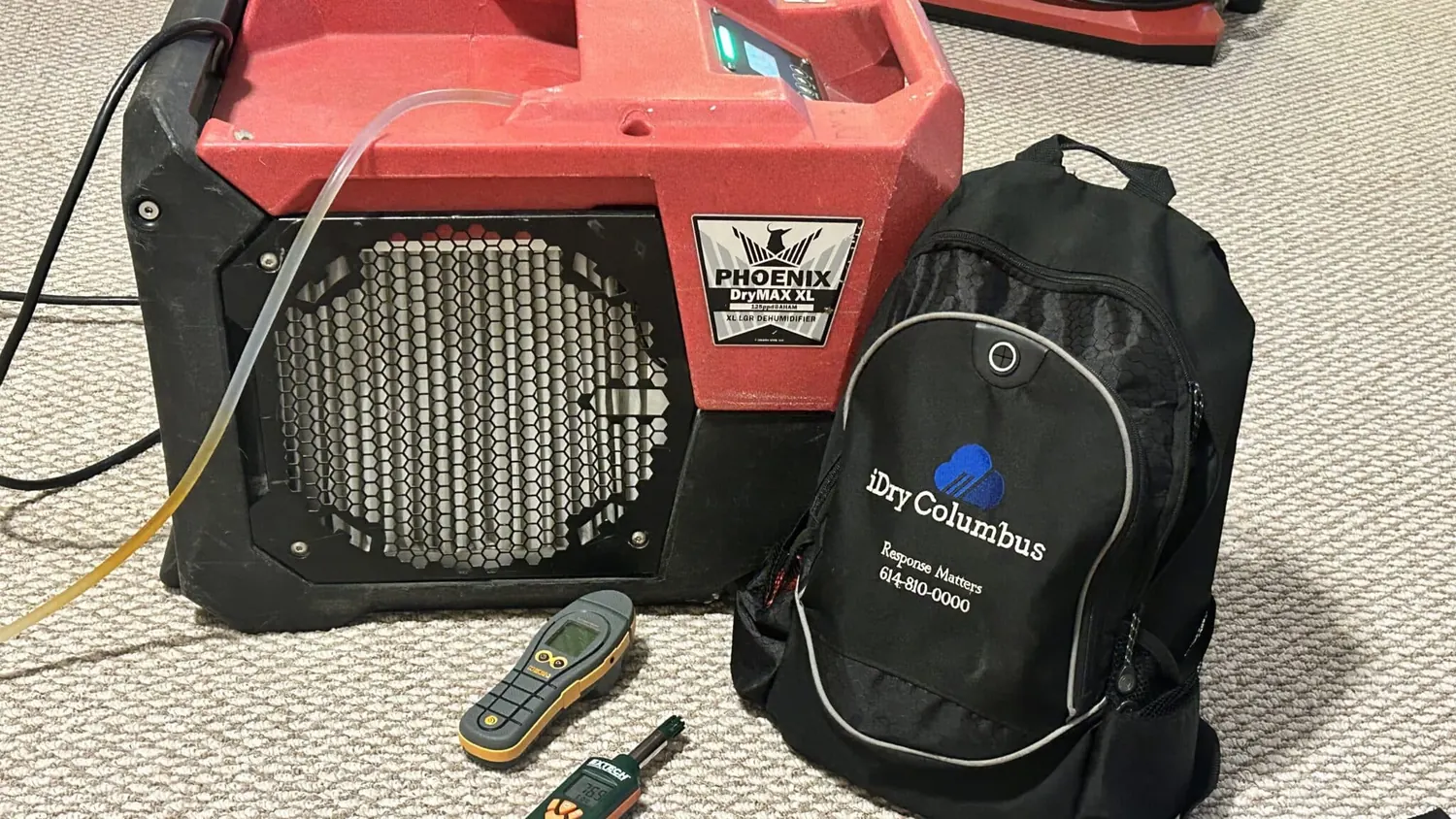
HVAC and duct flood cleanup addresses heating and cooling equipment and ductwork that basement flooding has reached. A flood-affected system should not be run until it has been inspected, because operating it can spread contamination through the home and because wet electrical and gas components are a safety hazard. This is specialist work, separate from general water cleanup.
HVAC & Duct Flood Cleanup at a glance
- Do not operate a wet system
- Specialist inspection
- Assess duct material
- Clean or replace affected components
- Verify before return to service
Why a flooded HVAC system shouldn't just be switched on
The EPA advises that a flood-affected HVAC system be assessed before it is operated. There are two reasons. First, running a system whose ducts or components were contaminated can distribute mold and contaminants throughout the house. Second, wet electrical and gas-fired components (furnace, blower, controls) are a safety risk until they are evaluated.
That makes HVAC a stop-and-assess item, not something to restore by drying the room around it. General water-removal crews are not automatically HVAC technicians, and the system's safety evaluation belongs to a qualified specialist.
Ductwork and the material question
What can be cleaned versus replaced depends on the duct material. Non-porous metal ducts that were contaminated can often be cleaned and decontaminated. Ductwork with porous internal insulation or flexible ducts that absorbed contaminated water is frequently replaced, because the contamination cannot be reliably cleaned out of a porous liner.
Because odor and residual moisture in a duct system are common follow-on complaints, this work connects to moisture detection and odor removal, and the surface decontamination overlaps with cleanup and sanitization.
HVAC component: cleaned or replaced
What can be cleaned versus replaced depends on the material and whether it is porous. The system is inspected before it is operated.
| Component | Typical outcome |
|---|---|
| Metal ducts (non-porous), contaminated | Often cleaned and decontaminated |
| Ducts with porous internal liner | Frequently replaced |
| Flexible ducts, saturated | Usually replaced |
| Furnace or blower electrical and gas parts | Specialist evaluation before any use |
Dealing with this now? Reach a flood cleanup specialist on the 24/7 line at (877) 927-8127, anywhere in the United States.
Safety and technical points on this page follow guidance from the EPA, CDC and the IICRC S500 water damage restoration standard. See editorial and sources.
Related cleanup services
HVAC & Duct Flood Cleanup: frequently asked questions
Can I turn my furnace on after the basement flooded?
Not until it has been inspected. The EPA advises assessing a flood-affected HVAC system before operating it. Wet electrical and gas components are a safety hazard, and running a contaminated system can spread mold and contaminants through the house.
Do flooded air ducts have to be replaced?
It depends on the material. Non-porous metal ducts that were contaminated can often be cleaned and decontaminated. Ducts with porous internal insulation or flexible ducts that absorbed contaminated water are frequently replaced, because the liner can't be reliably cleaned.
Is HVAC flood cleanup part of normal water removal?
No. It is specialist work. General water-removal crews are not automatically qualified to evaluate gas-fired and electrical HVAC equipment, so the system's safety inspection is handled by an appropriate specialist.
Can a furnace be saved after a basement flood?
Possibly, but it must not be operated until a qualified specialist inspects it. The EPA advises assessing a flood-affected HVAC system before use, because wet electrical and gas components are a hazard and running a contaminated system can spread mold through the house.
Is it safe to run the AC after basement flooding?
Not until the system and ductwork have been inspected. If flood water reached the air handler or ducts, running the system can distribute contaminants, and wet components are a safety risk. It is a stop-and-assess item, not a way to dry the house.
Need hvac & duct flood cleanup help? Reach a specialist on the 24/7 line.
24/7 emergency line · water extraction, drying, sanitization and reconstruction help nationwide