
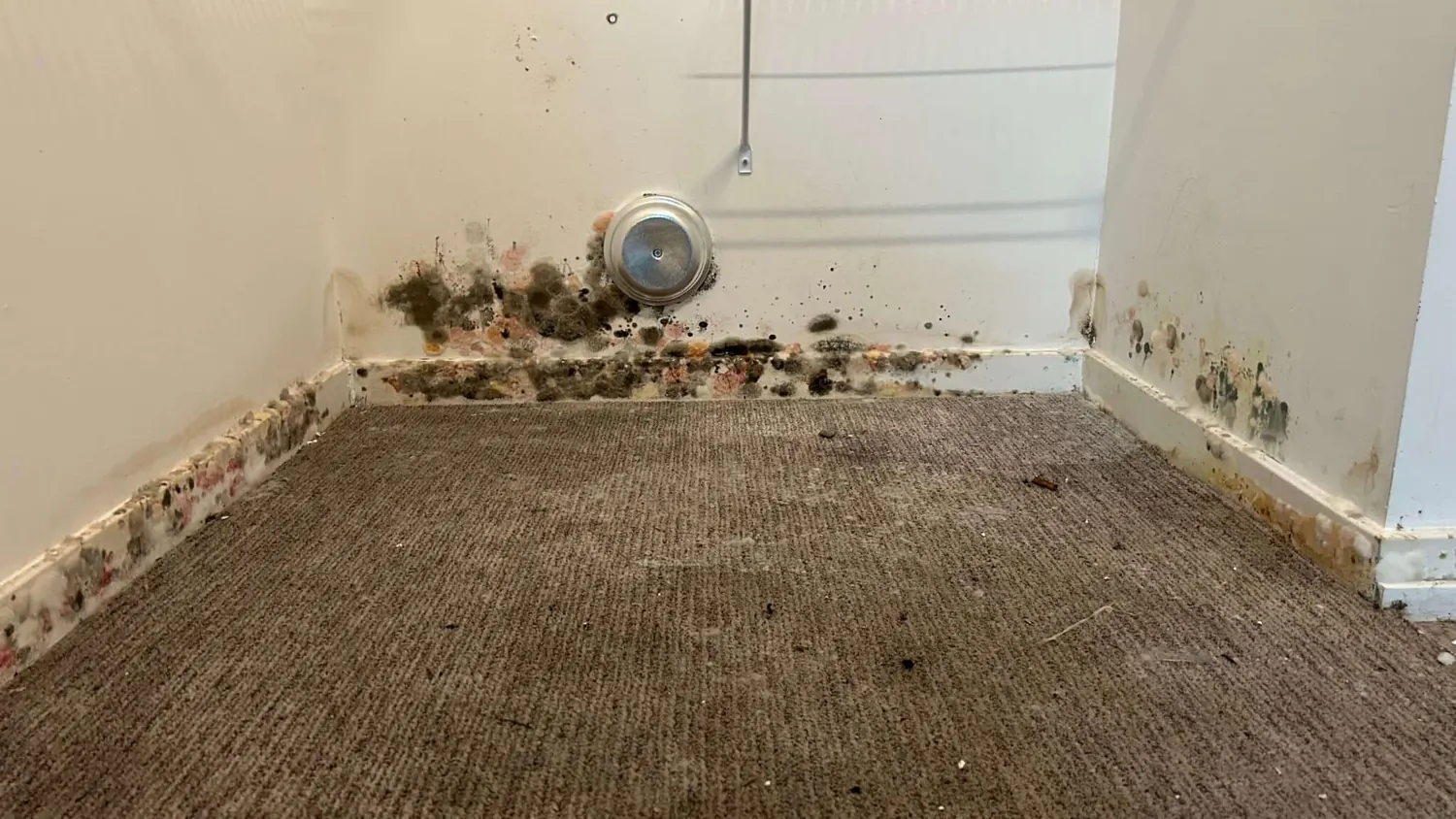
After a basement flood, the hardest decisions are about materials: what has to come out and what can be dried and kept. The answer isn't the same for every material, and it changes with the water category. This guide goes material by material, because 'remove everything' wastes salvageable items and 'dry everything' traps contamination and moisture.
The two questions that decide everything
For any material, two questions settle it: is it porous, and did it contact contaminated water? A non-porous surface touched by clean water can usually be cleaned and kept. A porous material soaked by contaminated water usually has to go, because disinfecting the surface doesn't decontaminate the inside.
Time is the third factor. Even clean water, left long enough, saturates porous materials past the point of saving them, which is why the EPA's 24-48 hour drying window matters.
Material by material
Here's how the common basement materials usually break down. These are general guidelines; a professional assessment and moisture readings make the final call.
- Drywall, often removed when it wicked contaminated water or stayed wet; cut above the water line (a flood cut). See material removal.
- Fiberglass insulation, frequently removed when saturated or contaminated; it holds water and loses function.
- Carpet, sometimes saved after clean water caught quickly; removed after gray/black water. See carpet restoration.
- Carpet padding, usually removed; it's absorbent and sits against the floor.
- Laminate flooring, usually removed once the core swells; see flooring restoration.
- Vinyl plank (LVP), surface may survive, but can trap water beneath; often lifted to dry the subfloor.
- Concrete slab, not removed; it's cleaned and dried, though it holds moisture longer than it looks.
- Wood framing, often dried in place if structurally sound and clean; assessed, not automatically removed.
- Upholstered furniture & belongings, judged item by item; see contents restoration.
Document before you remove
Before anything leaves the basement, photograph it. Damaged materials and belongings are part of an insurance claim, and the record is only useful if it's made before disposal. Loose, ruined items go through debris removal; this connects to the insurance coverage guide.
Keep or remove, at a glance
General guidance; moisture readings and the water category make the final call.
| Material | Usually keep | Usually remove |
|---|---|---|
| Concrete slab | Clean and dry | |
| Solid wood framing | If sound and clean | If contaminated or rotted |
| Drywall | Clean water, brief, verified dry | Contaminated or stayed wet |
| Fiberglass insulation | When saturated or contaminated | |
| Carpet | Clean water, caught fast | Gray or black water |
| Carpet padding | Usually removed | |
| Laminate flooring | Once the core swells |
A flooded basement doesn't wait. For emergency water extraction, drying or cleanup help, call (877) 927-8127, a 24/7 line, anywhere in the United States.